Tag Archives: University of Zambia

AUDA-NEPAD Water CoEs contribute to the European Commission ArcX (Africa Regional Centres of Excellence) regional consultative meetings in 2026

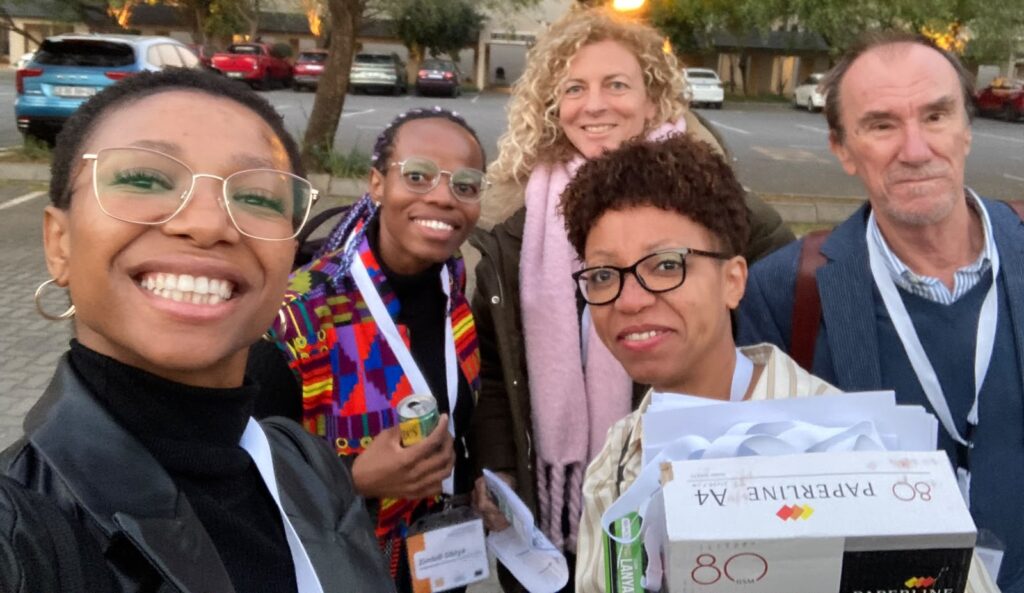
Most AUDA-NEPAD Water CoEs were prepresed at the recent ArcX engagements in West and Southern Africa. The first meeting took place in Lomé, Togo from 22-24 June 2026, while the Southern Africa engagement was convened in Johannesburg, South Africa from 7-9 July 2026.

The Africa Regional Centres of Excellence (ArcX) programme (2023 -2030) aims at strengthening collaboration between African and European institutions, fostering inclusive green growth and innovation and capacity, as well as supporting Africa’s transformative agenda. The ArcX programme is financed by the EU through the Directorate-General for International Partnerships (DG INTPA) through the Neighbourhood, Development and International Cooperation Instrument – Global Europe (NDICI-GE) in line with the EU’s Global Gateway strategy . It is part of the broader AU–EU Science, Technology, and Innovation (STI) Partnership.

ArcX helps position Africa as a key player in the global green transition. It currently supports 51 African Centres of Excellence in 22 African countries, together with 11 partner organisations in Europe. Regional Centres of Excellence (RCoEs) supports these centres by acting as hubs of innovation. They work in five thematic areas (Agroecology, Biodiversity & Forests, Water, Ocean, and Climate Change resilience) and one cross-cutting component.

The Africa Regional Centres of Excellence (ArcX) programme, Technical Assistant team hosted the West Africa Regional Workshop in Lomé at the Hotel duex Frivrier, from 22 to 24 June 2026, under the theme “Interactions between Urban and Rural Environments and Ecosystem Sustainability in West Africa.” Convened within the framework of the ArcX programme and supported by the European Union, the three-day gathering brought together regional centres of excellence, policymakers, research institutions and private-sector actors to build a shared vision for managing the continent’s urban–rural interface and strengthening cross-sector cooperation.

The Southern African Network for Water, Centers of Excellence (SANWATCE) Secretariat was represented at the workshop, and the broader ACEWATER community was strongly present: all five of our partner institutions in the West Africa region took part, ensuring the network’s research and implementation experience was reflected throughout the proceedings. Their participation across the plenary and working sessions ensured that the perspectives of the region’s water and environmental research community were woven into every theme of the workshop.

The workshop opened with framing remarks from the ArcX Technical Assistance team, followed by an opening session featuring the EU Delegation to Togo and Togo’s Ministry of Environment, Forest Resources, Coastal Protection and Climate Change, led by Minister Komla Dodzi Kokoroko. In a welcoming that set a collaborative tone for the days to follow, the Ministry underscored the value of partnership encouraging closer cooperation among ArcX partners and between national and regional authorities as the foundation for tackling shared environmental challenges. The message resonated with the workshop’s central premise: that the region’s most pressing challenges cross both borders and sectors, and so too must the responses.

As a start the workshop commenced by building a common understanding of the ArcX ecosystem in West Africa, with an overview of stakeholders’ activities from partners including CIFOR-ICRAF, CORAF, CSE, ECMWF, FARA/RUFORUM, Mercator Ocean International and UCAD.

A highlight of the day was the keynote panel on the urban–rural interface, anchored by Dr Mathias Spaliviero of UN-Habitat, who framed urbanisation as a territorial development process requiring a multi-scaled, integrated approach; drawing on the case of the Sahel. His keynote was complemented by interventions on the bio-economy and natural capital, institutional fragmentation in natural-resource management, land and water management for sustainable food systems, and the multisectoral challenges of food security and population growth in West Africa. Together, the panel made a compelling case for treating urban and rural systems as interconnected rather than separate domains.

The second day turned to translating knowledge into co-designed, operational frameworks. Sessions on transformative private-sector and start-up solutions showcased innovative experiences from model farms in West Africa to approaches for turning research results into economic opportunities for young people highlighting the growing role of innovation and enterprise in the region’s development. A central thread of the day was scientific dissemination and data sharing. In parallel working groups, partners explored the Africa Knowledge Platform (AKP) as a mechanism for knowledge sharing and platform interoperability for multisectoral co-creation through ArcX, alongside multisectoral data integration and regional co-production mechanisms for decision support. These discussions spoke directly to the practical questions of how partners share data, integrate evidence across sectors, and build the digital infrastructure to support regional decision-making. The day concluded with a session on communicating across sectors and audiences, led by FARA and RUFORUM, focused on translating technical data into messages relevant to public policy. This emphasis on the science–policy–practice nexus and the science-communication skills needed to bridge it; underscored that even the strongest evidence must be tailored for decision-makers if it is to shape policy and practice.

The final day framed innovation as a driver of sustainable investment and partnerships. Parallel working groups examined options for promoting investment in services to address urban–rural challenges, and for harnessing the demographic dividend through youth, start-ups and business incubators reinforcing the workshop’s focus on stakeholder engagement and private-sector participation as essential to scaling solutions. The workshop closed with a plenary on identifying cross-sectoral activities to be taken forward within and beyond the ArcX framework, and on regional and continental integration setting a clear agenda for continued collaboration.
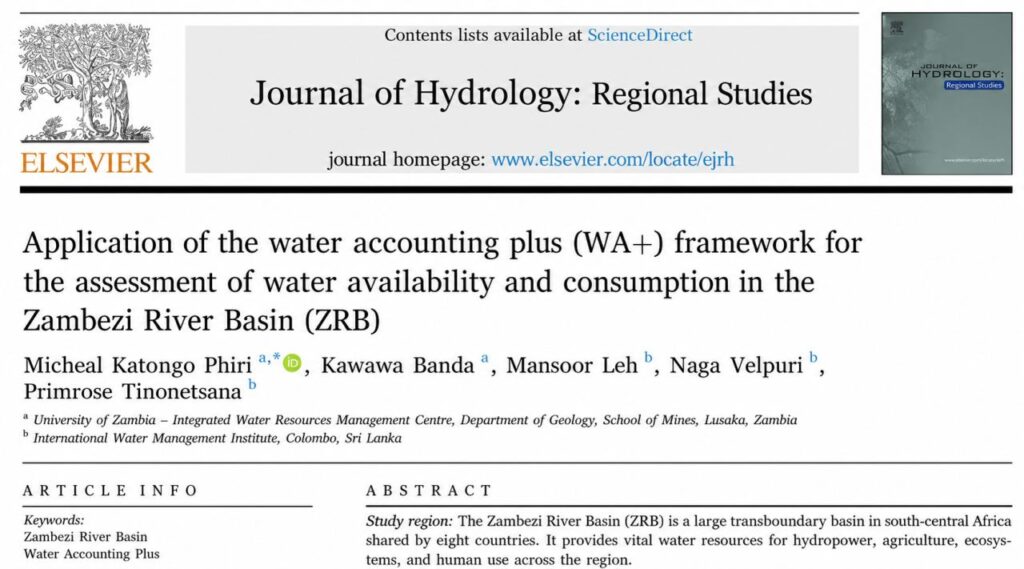
University of Zambia publishes on: Application of the water accounting plus (WA+) framework for the assessment of water availability and consumption in the Zambezi River Basin (ZRB)

How much water do we really have available for development?

This is one of the most important questions facing water security, agricultural expansion, and climate adaptation in southern Africa. In our recent work on the Zambezi Basin, we developed a basin-scale water account to understand the fate of rainfall across the catchment.

What did we find:
Of the basin’s approximately 1,280 km³ (for scale – this is equivalent to the amount of water needed to meet global drinking water demand for 500 years) of annual rainfall:

1.) 94% is lost through net evaporation.

2.) Only 5–6% becomes river flow that eventually reaches the Indian Ocean.

3.) Of the evaporative losses, only about 36% is considered beneficial, supporting productive uses such as reservoirs, dams, and agriculture.

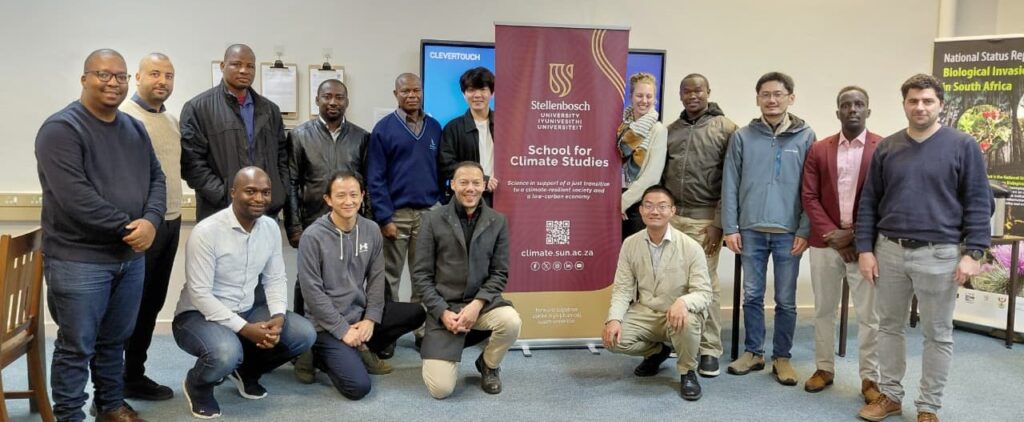
KNUST and University of Zambia colleagues attend AJ-INSPIRE training on the IsoGSM model (Isotope-enabled Global Spectral) at the School for Climate, Stellenbosch University, 11-15 May 2026

Through the ACEWATER III project and , three colleagues from the Kwame Nkrumah University of Science and Technology and one from the University of Zambia attended a highly technical short course training on isotope research, hosted by the Japan Initiative for Scientific Partnership in Innovative Research and Education (AJ-INSPIRE) and the Stellenbosch University School for Climate. The objectives of the training included:

1.) Sharing research progress and findings

2.) Training on the IsoGSM (Isotope-enabled Global Spectral Model), IsoRSM
(Isotope-enabled Regional Spectral Model) – global and regional applications

3.) Field visit to the Cape Point GNIP Site (Global Network for Isotopes in
Precipitation)

4.) Strengthening team collaboration and networking

5. Capacity building for early-career researchers

Partners in the AJ-INSPIRE programme include Egypt-Japan University of Science and Technology (E-JUST), University of Tokyo, Jomo Kenyatta University of Agriculture and Technology (JKUAT), and Stellenbosch University. Following the training, the ACEWATER III colleagues extended their stay in Stellenbosch for another week, to continue collaborations with the School for Climate.

Upcoming short course trainings at various AUDA-NEPAD Water Centres of Excellence in 2026

Through the ACEWATER III project, various water CoEs across Africa will host several short course trainings in second half of 2026. Please see the list and details below, and feel free to reach out if are interested in attending or require more information.

1.) University of Addis Ababa

24-28 August – Water resources assessment and allocation planning at basin and sub-basin levels (hybrid). https://docs.google.com/forms/d/e/1FAIpQLSfCC8QXUru021_jnvl7daQSbG-QYDL2wVCT6n8-lyRwfWcCZw/viewform?usp=publish-editor

2.) University of Zambia

2.1.) 18 – 22 July – Socioeconomics of water resource management (in collaboration with University of Kwazulu-Natal)

2.2.) 3 – 7 August – Transboundary water quality and governance (in collaboration University of the Western Cape, South Africa)

3.) University of Benin, Nigeria

17-21 August – Climate change issues, extreme events and impacts on key sectors (hybrid)

4.) NWRI (National Water Resources Institute), Nigeria

4.1.) 13-23 July – Hydrological Modelling and Field Measurements

4.2.) 19-23 October –  Climate Resilience: Access to Water Supply and Sanitation

5.) University of Makerere

Pre-GORILLA conference (Geographical Science for Resilient Communities, Ecosystems and Livelihoods Under Global Environmental Change), 30 November – 4 December 4, Kampala, Uganda.

6.) 2iE, Burkina Faso

15-18 September – Strengthening WASH resilience of displaced populations and communities in transboundary basins

7.) NUST Zimbabwe

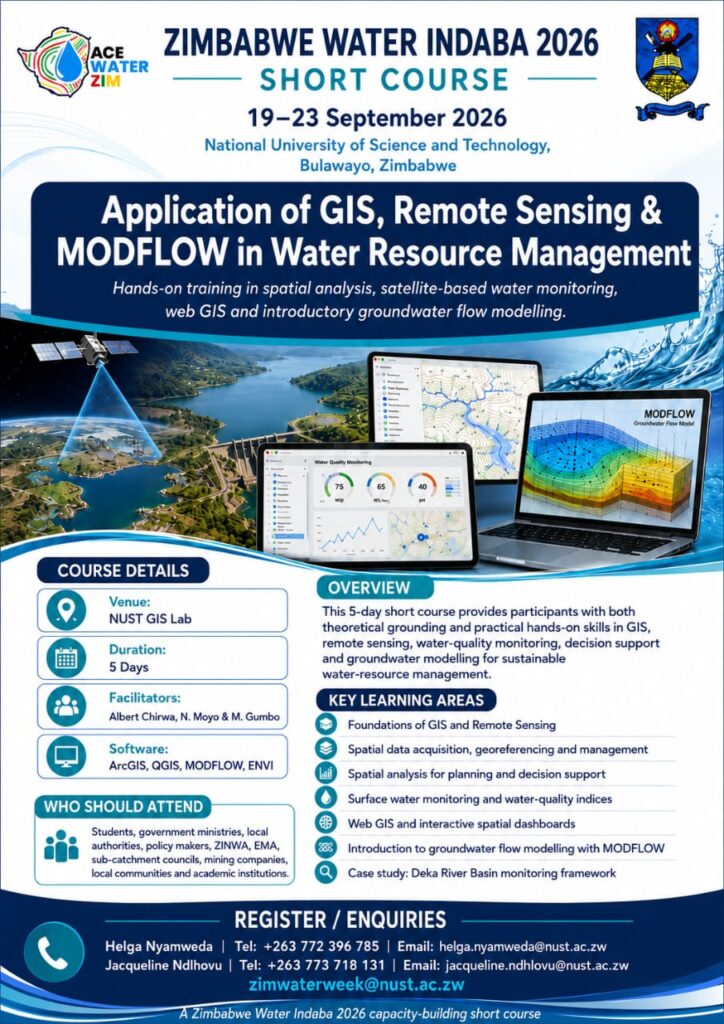
19-23 September – Application of GIS, Remote Sensing and MODFLOW in Water Resources Management

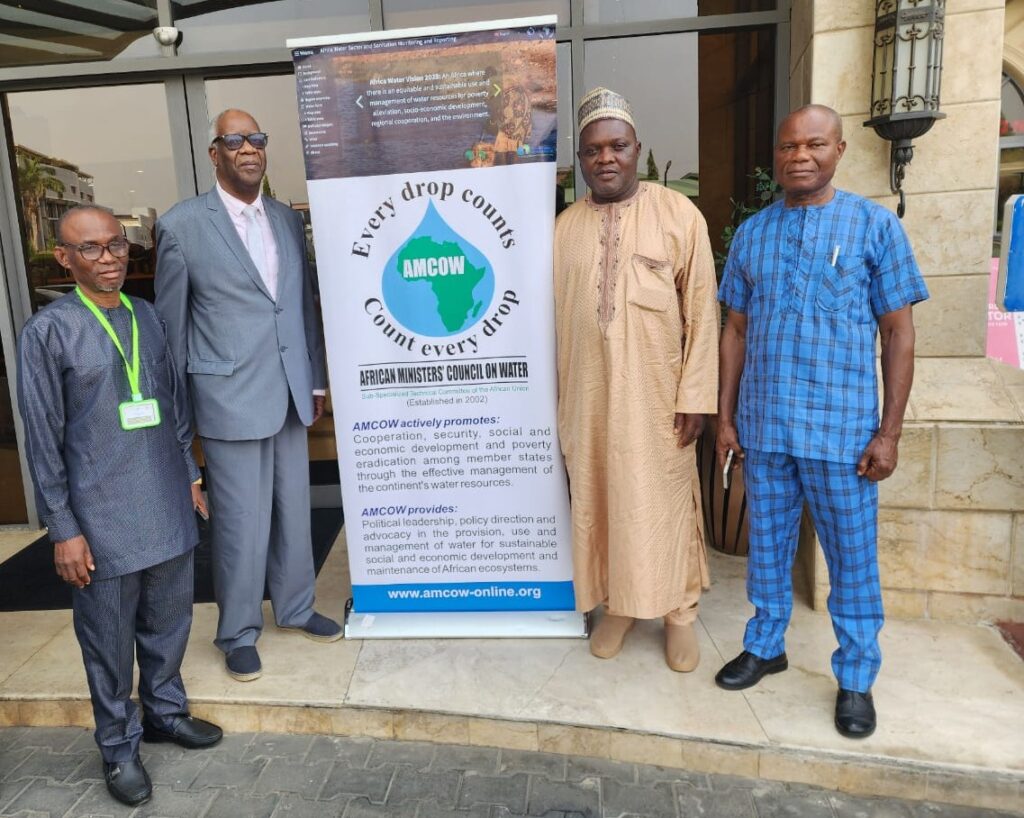
AUDA-NEPAD Water CoEs invited to the AMCOW regional consultations – First Implementation Plan 2026–2033 of the Africa Water Vision 2063 and Policy, April – May 2026

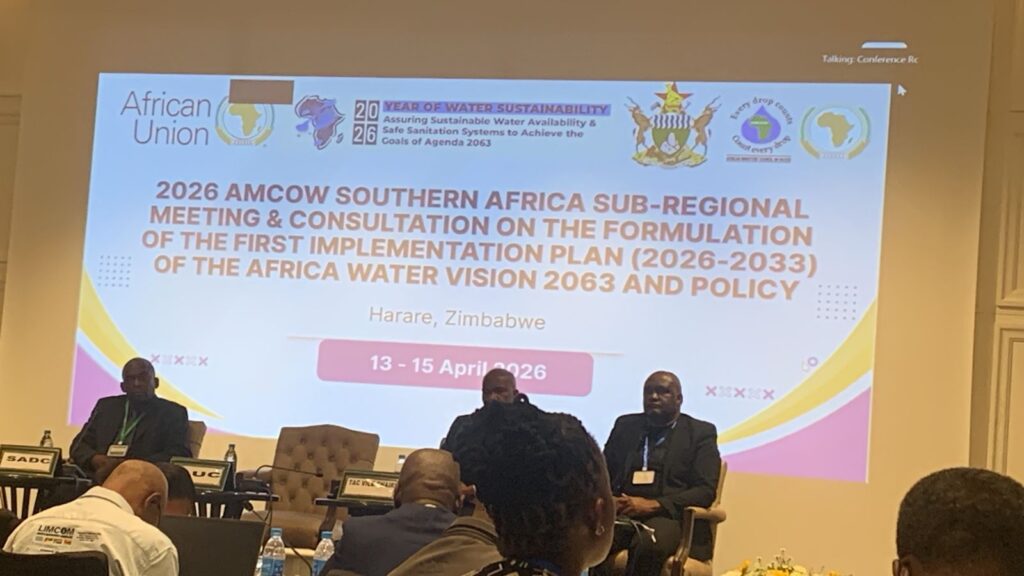
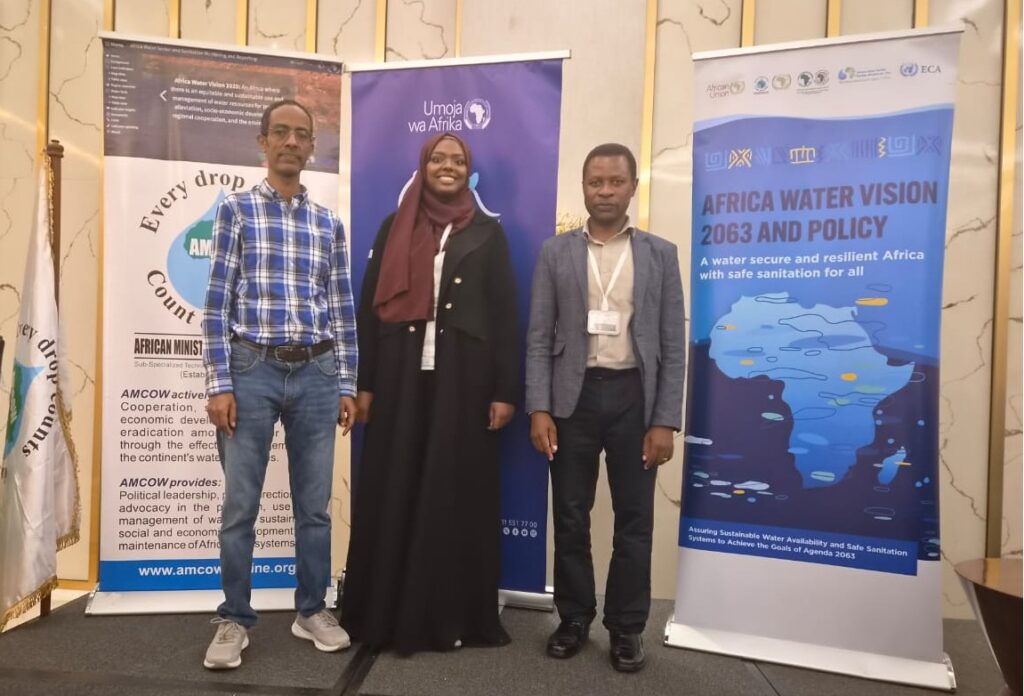
The African Ministers’ Council on Water (AMCOW) invited the AUDA-NEPAD Water CoEs to contribute at their regional consultations on the First Implementation Plan 2026–2033 of the Africa Water Vision 2063 and Policy. These meetings followed on the 2025 consultations working on the Africa Water Vision 2063 and Policy. The South Africa consultation was convened in Harare, Zimbabwe from 13-15 April, the East Africa meeting in Dar es Salaam, Tanzania, 13–15 May 2026, while the West Africa meeting was held in Abuja, Nigeria from 21 – 23 April.

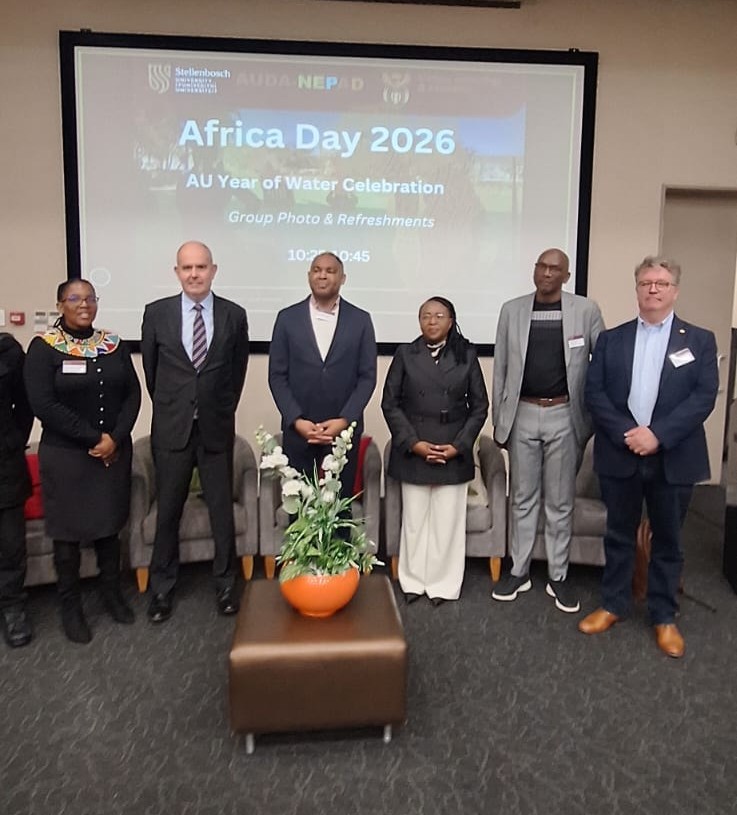
Africa Day 2026 celebrations at the University of Johannesburg, South Africa, 25 May 2026

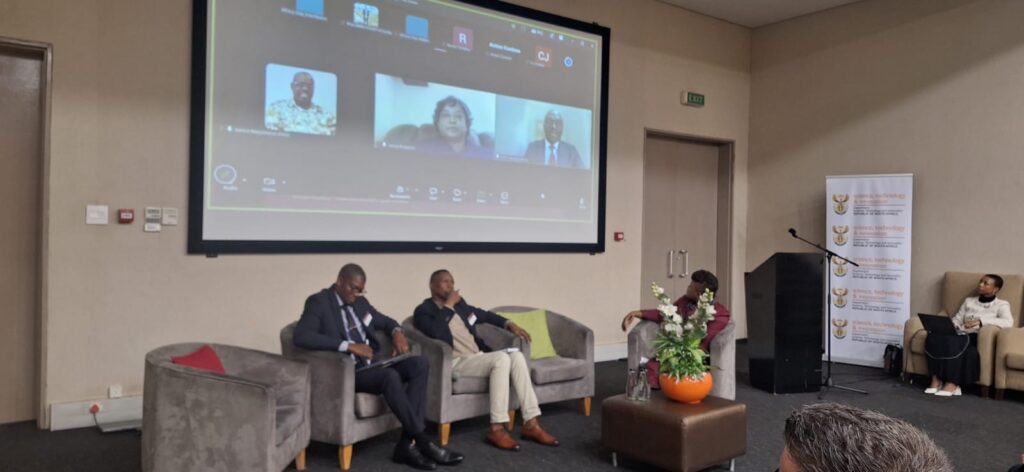
Africa Day 2026 was celebrated at the University of Johannesburg on 25 May 2026 under the African Union’s designation of the year as the AU Year of Water and Sanitation, with the theme on the impact of investments in the water sector and the deliberate subtitle of Letting Beneficiaries Tell the Story. The event was co-hosted by South Africa’s Department of Science, Technology and Innovation (DSTI), the AUDA-NEPAD Science, Technology and Innovation Hub, South Africa’s Department of Water and Sanitation (DWS), the Association of Water and Sanitation Institutions of South Africa (AWSISA), and AUDA-NEPAD SANWATCE. Given that the day also marked 20 years since the AMCOW and AMCOST ministerial decision that established the AUDA-NEPAD Water Centres of Excellence in 2006, it functioned simultaneously as a commemoration of the founding of the OAU on 25 May and as a stocktake of two decades of African water work. Prof Piet Kenabatho (University of Botswana) attended in-person, while Prof Kawawa Banda attended online. Both colleagues were panelists during a Roundtable Reflections: Continental Perspectives. The event was attened by at least 50 participants.

The follow-on programme is anchored in a two-day technical training at the University of Johannerburg-PEETS Doornfontein campus on 26 and 27 May 2026, delivered through the Southern African Platform for Vocational Excellence in Water hosted at the Stellenbosch University Water Institute, with certificates to be issued. It is evident that the platform is intended to function as the implementation vehicle for the skills agenda articulated across the day.\

AUDA-NEPAD SANWATCE partners involved in other projects: WASA Webinar Series (Water Security in Southern Africa) – Started on 25 March 2026

The WASA (Water Security in Africa) programme has launched a webinar series to address critical water challenges in Sub-Saharan Africa. Running from March 2026 to November 2027, the initiative bridges knowledge gaps, promotes innovative solutions, and builds a regional community of practice among water professionals, researchers, policymakers, and practitioners through joint learning. For more information about the WASA project and this webinar series, please follow this link: https://www.watersecurityafrica.org/event/wasa-webinar/.

This first edition of the WASA Webinar Series took place online on 25th of March and was attended by 35 participants. Speakers for the first webinar included:

Prof Kawawa Banda (University of Zambia) (SeeKaquA Project) – “Investigating deep sitting fresh water aquifers within a saline environment: A case study of the Machile-Zambezi Basin.”

Dr Anna Matros-Goreses (NUST) (Namibia) (WaMiSAR project) – “WASH Innovation – From Sensors to Solutions: Exploring Technology Transfer Potential in the Cuvelai Basin.”

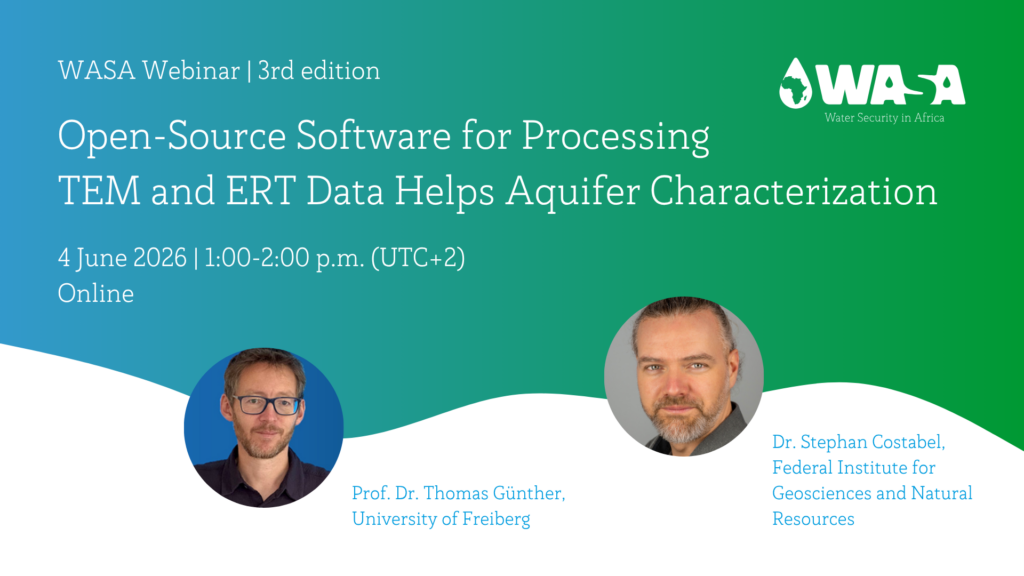
The third WASA webiner took place on 4 June. This edition already experienced an increase in participation, as 47 colleagues from WASA, PERIPERI U and SANWATCE joining. Guest speakers from the SeeKaquA project presented on: Open-source software for processing TEM and ERT data for aquifer characterization. Speakers were Prof. Dr. Thomas Günther, University of Freiberg, Germany and Dr. Stephan Costabel, Federal Institute for Geosciences and Natural Resources, Germany.

WASANet (Water Security in Africa) Summer School preceding the WaterNet/WARFSA/GWP-SA Symposium in Lusaka, 24-27 October 2025

WASANet used the annual WaterNet Symposium to convene an intensive two-week training beforehand, in collaboration with WaterNet. The training was attended by 40 emerging scholars from several SADC countries. The University of Zambia, in particular, Prof Kawawa Banda co-hosted the training.

Dr Nico Elema at the AUDA-NEPAD SANWATCE Secretariat presented on Science Diplomacy in the Water Sector. Prof Cosmo Ngongondo at the University of Malawi taught on Scientific Paper Writing, while Dr Marelize Botes at the Stellenbosch University Water Institute presented on Case Studies on Contaminants of Emerging Concern: Innovations in Effect-Based Impact Assessment on Environmental and Human Health and Removal Technologies.